


Endoscopy is an important diagnostic method that allows the esophagus, stomach, and duodenum to be evaluated using a thin device equipped with a camera. However, for many people, the greatest concern before the procedure is whether endoscopy will be difficult, uncomfortable, or painful. Thanks to the comfortable techniques used today, the endoscopy process can be completed much more easily.
When evaluating painless endoscopy in Ankara, the aim is not only to visualize the stomach. It is also important for the patient to feel more comfortable during the procedure, for the gag reflex to be reduced, and for procedural anxiety to be controlled. Endoscopy may be planned following a medical evaluation, especially in cases of heartburn, indigestion, nausea, difficulty swallowing, unexplained anemia, or long-lasting digestive system complaints.
Can Endoscopy Be Performed Without Pain?
Yes, endoscopy does not always have to be a difficult or painful procedure. Today, painless endoscopy can be performed in suitable patients by administering medication through an intravenous line to help the patient relax. With this method, the patient can usually complete the procedure without experiencing significant pain, an intense gagging sensation, or discomfort.
In this practice, commonly known as endoscopy under sedation, the patient is relaxed before the procedure and usually does not remember the process. This provides significant comfort, especially for people who are afraid of endoscopy, have previously had difficulty during the procedure, or have a pronounced gag reflex. In this way, endoscopy can become a more controlled and tolerable evaluation method rather than a frightening procedure in the patient’s mind.
The most common concerns during endoscopy include fear of being unable to breathe, a sensation of something being stuck in the throat, gagging, and the thought of not being able to tolerate the procedure. However, when the procedure is performed under appropriate conditions by an experienced team, these concerns can be greatly reduced. The patient’s age, general health, medications, and existing conditions are evaluated before the procedure.

The main advantages of painless endoscopy for the patient include:
- It may help reduce anxiety about the procedure.
- Gagging and muscle contraction may be experienced less intensely.
- It allows the patient to undergo the procedure more comfortably.
- It enables the stomach and esophagus to be evaluated more easily.
- If considered necessary, a tissue sample can be taken during the same session.
When discussing painless methods, capsule endoscopy should also be evaluated separately. Capsule endoscopy is a different examination method that helps visualize the small intestine in particular using a small swallowable camera capsule. Since it does not require a tube-shaped device to be passed through the mouth, it may appear to be a more comfortable option for some people.
However, capsule endoscopy does not directly replace conventional endoscopy. If the stomach, esophagus, or duodenum needs to be evaluated in detail, if a tissue sample is required, or if intervention at a bleeding site is expected, standard endoscopy may be more appropriate. Therefore, when choosing between painless endoscopy and capsule endoscopy, the patient’s complaints, previous tests, and medical evaluation should be considered together.
How Is Painless Endoscopy Performed?
Endoscopy is performed using a thin, flexible device equipped with a camera that is advanced through the mouth. This device allows the esophagus, stomach, and duodenum to be viewed directly. During the procedure, redness, wounds, ulcers, bleeding sites, polyps, or other tissue changes on the inner surface of the stomach can be evaluated.
The patient must fast before the procedure. During preparation before endoscopy, patients are generally asked not to eat for a certain period and to adjust some medications according to the doctor’s recommendation. People who use blood thinners, have diabetes or heart disease, or have a history of allergies should share this information with their physician before the procedure.
After the patient has been properly prepared, an intravenous line is inserted and the necessary medications are administered to make the procedure more comfortable. Once the patient is relaxed, the device called an endoscope is advanced through the mouth and the images are transferred to a screen. The patient’s general condition is monitored throughout the procedure. After the evaluation is completed, the patient rests for a short period.
This procedure is also known as gastric endoscopy. However, because it evaluates not only the stomach but also the esophagus and duodenum, it provides comprehensive information about the upper digestive system. When necessary, a biopsy may be taken during the procedure. Taking a biopsy does not always mean that a malignant disease is suspected. It is often performed to better understand the type of gastritis, the presence of infection, or changes in the stomach tissue.
During the Ankara endoscopy process, accurate evaluation, device infrastructure, sterilization, patient comfort, and post-procedure follow-up should be considered together. Therefore, planning the procedure with the experience of an Ankara gastroenterology specialist is important both for diagnostic accuracy and for helping the patient undergo the process more comfortably.
For Which Complaints May Painless Endoscopy Be Needed?
Endoscopy may be recommended particularly in cases of persistent stomach pain, heartburn, acid reflux, bitter fluid coming into the mouth, a sensation of food getting stuck while swallowing, frequent nausea, vomiting, loss of appetite, weight loss, or unexplained anemia. When reflux symptoms continue for a long time, irritation or tissue changes may develop in the esophagus. In cases where gastritis is suspected, directly examining the inner surface of the stomach may help guide the diagnosis.
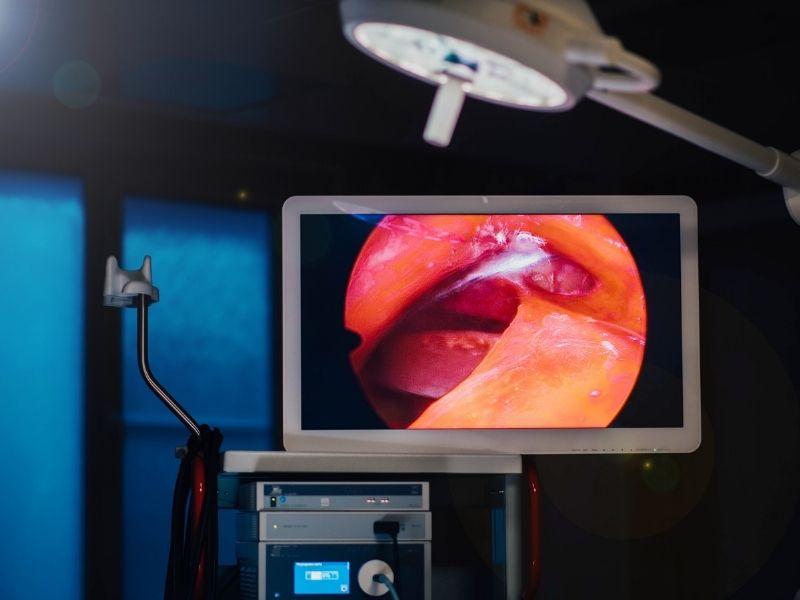
Painless endoscopy may be considered in the following situations:
- Persistent heartburn and indigestion
- Difficulty swallowing or a sensation of food getting stuck
- Frequent nausea and vomiting
- Unexplained anemia
- Suspected stomach ulcer
- Black stools or suspected bleeding
- A family history of stomach disease
- Stomach complaints that persist despite medication
The post-endoscopy period is generally completed with a short rest. If endoscopy under sedation was performed, the patient is advised not to drive on the same day and to have someone accompany them. The physician’s recommendations regarding eating, medication use, and returning to daily activities should be followed after the procedure.