


The question of which symptoms require endoscopy is important for people with persistent stomach and upper digestive system complaints. Endoscopy is a diagnostic method that allows the esophagus, stomach, and duodenum to be examined using a thin device equipped with a camera. Not every stomach complaint requires endoscopy; however, endoscopy may be planned following a physician’s evaluation when symptoms are persistent, recur frequently, do not improve despite medication, or are accompanied by warning signs such as bleeding, anemia, or weight loss.
İçindekiler
- Persistent Stomach Pain
- Heartburn And Reflux Symptoms
- Suspected Gastritis And Indigestion
- Difficulty Swallowing And A Sensation Of Food Getting Stuck
- Nausea, Vomiting And Loss Of Appetite
- Anemia And Occult Blood Loss
- Black Stool And Suspected Bleeding
- How Is The Decision For Endoscopy Made?
- Frequently Asked Questions About Endoscopy
Endoscopy should not be considered merely a simple procedure used to look inside the stomach. It can be used to evaluate reflux-related damage to the esophagus, inflammation of the stomach lining, ulcers, bleeding sites, polyps, or other tissue changes that may cause symptoms in the upper digestive system. Therefore, especially in cases of persistent complaints, it can provide important information for identifying the source of the symptoms.
Persistent Stomach Pain
Persistent stomach pain is one of the most commonly evaluated complaints when determining the need for endoscopy. The stomach and duodenum may need to be examined, particularly when there is a burning, pressure, gnawing, cramping, fullness, or discomfort in the upper abdomen that worsens after meals.
Short-term stomach pain does not always indicate a serious problem. However, a gastroenterology evaluation is important if the pain continues for weeks, recurs frequently, wakes the person from sleep at night, or is accompanied by symptoms such as weight loss, loss of appetite, or vomiting.
Heartburn And Reflux Symptoms
Frequently recurring heartburn may be evaluated in terms of the need for endoscopy, especially if it worsens after meals, is accompanied by bitter fluid rising toward the throat, or persists for a long time. This complaint may often be associated with reflux.
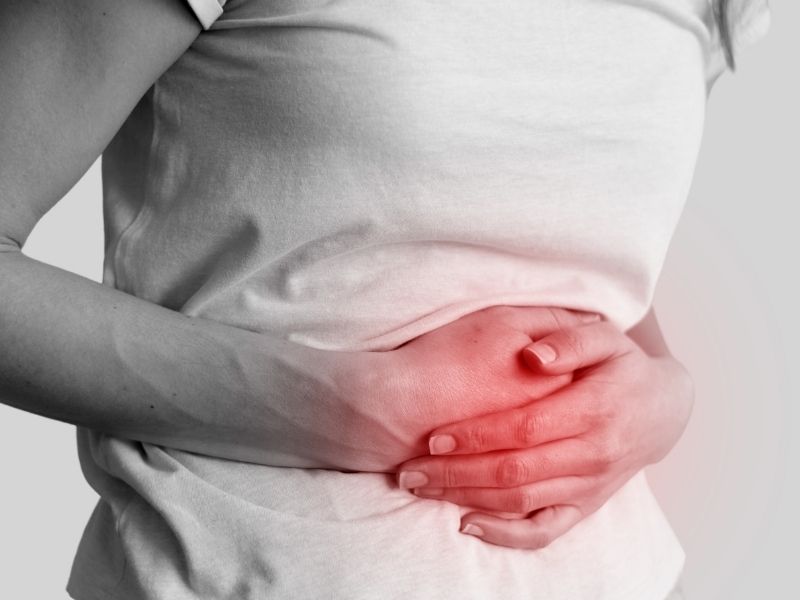
When reflux remains uncontrolled for a long time, it can cause irritation, inflammation, or tissue changes in the esophagus. Therefore, endoscopy may be considered necessary, particularly when there is difficulty swallowing, a burning sensation in the chest, painful swallowing, or symptoms that do not improve despite medication.
Suspected Gastritis And Indigestion
Gastritis may develop as a result of inflammation or sensitivity in the stomach lining. Burning in the stomach, acid sensation, nausea, early satiety, bloating, indigestion, and discomfort after meals are common complaints when gastritis is suspected.
If these symptoms are short-lived, they may be associated with dietary habits, stress, or temporary stomach sensitivity. However, if they have persisted for a long time, recur frequently, or significantly affect quality of life, direct examination of the stomach lining with upper gastrointestinal endoscopy may be necessary.
Difficulty Swallowing And A Sensation Of Food Getting Stuck
Difficulty swallowing is one of the symptoms that should be taken into consideration when assessing the need for endoscopy. Food becoming stuck while eating, difficulty swallowing solid or liquid foods, a sensation of food sticking behind the chest, or pain during swallowing may require examination of the esophagus.
Difficulty swallowing may sometimes be associated with reflux-related irritation, esophageal narrowing, or other diseases of the esophagus. Therefore, swallowing problems that are newly developed, progressively worsening, or accompanied by weight loss should be evaluated without delay.
Nausea, Vomiting And Loss Of Appetite
Recurring nausea and vomiting may be associated with a problem originating from the upper digestive system. Short-term nausea can often develop due to infection, dietary errors, or temporary sensitivity; however, a more detailed examination may be required if it persists or recurs frequently.
Endoscopy becomes particularly important when vomiting is accompanied by stomach pain, weight loss, loss of appetite, vomiting blood, or vomit resembling coffee grounds. In the presence of such symptoms, a physician’s evaluation should be obtained rather than delaying the process by using medication alone.
Anemia And Occult Blood Loss
Unexplained anemia, particularly when it occurs as iron deficiency anemia, may be investigated for occult blood loss originating from the digestive system. Even if a person does not notice blood in the stool, small amounts of bleeding from the stomach or intestines can lead to anemia over time.
In this situation, endoscopy can help determine whether the bleeding is related to the upper digestive system. Digestive system evaluation becomes especially important in cases of weakness, easy fatigue, dizziness, pallor, and recurring iron deficiency.
Black Stool And Suspected Bleeding
Black stool is a finding that requires attention because it may be associated with upper gastrointestinal bleeding. Bleeding in the stomach or duodenum may cause the stool to appear dark black and tar-like.
If there is vomiting blood, vomit resembling coffee grounds, sudden weakness, dizziness, low blood pressure, or dark discoloration of the stool, evaluation for suspected stomach bleeding should not be delayed. These symptoms do not always have the same meaning; however, they are among the important warning signs that require medical assessment.

How Is The Decision For Endoscopy Made?
The answer to the question of when endoscopy is performed is not based on a single symptom alone. The decision for endoscopy is made by considering the patient’s age, the duration and severity of the symptoms, medications being used, accompanying diseases, family history, examination findings, and previously performed tests.
For example, immediate endoscopy may not be necessary for a young patient experiencing short-term heartburn. However, if the same complaint has persisted for a long time, does not improve despite medication, or is accompanied by difficulty swallowing, anemia, weight loss, or signs of bleeding, endoscopy may be considered at an earlier stage.
If considered necessary during endoscopy, a biopsy may be taken. Taking a biopsy does not always indicate a malignant disease.
A small tissue sample is often taken to assess the type of gastritis, the presence of bacteria, inflammatory changes, or areas that appear suspicious more clearly.
The opinion of a gastroenterology specialist is important when evaluating digestive system complaints in Ankara. During the Ankara endoscopy process, appropriate patient selection, preparation before the procedure, safe implementation, careful interpretation of the images, and clear communication of the results to the patient should all be considered together.
Frequently Asked Questions About Endoscopy
Does Every Stomachache Require Endoscopy?
Not every stomachache requires endoscopy. However, a medical evaluation is important if the pain persists, recurs frequently, or is accompanied by symptoms such as weight loss, anemia, or vomiting.
Is Endoscopy Necessary for Reflux Symptoms?
Endoscopy is not necessary for every patient with reflux. However, it may be recommended if the symptoms have continued for a long time, do not improve despite medication, or are accompanied by difficulty swallowing.
Is Endoscopy Performed If Heartburn Persists?
Persistent heartburn may require evaluation of the esophagus and the inner lining of the stomach. This decision is based on the duration and severity of the symptoms and any accompanying findings.
Why Is Endoscopy Requested in Cases of Anemia?
Anemia may sometimes be associated with unnoticed blood loss from the digestive system. Upper gastrointestinal endoscopy may be performed, particularly when iron deficiency is present.
Is Difficulty Swallowing a Reason for Endoscopy?
Difficulty swallowing may be a sign of a condition affecting the esophagus. Endoscopy may be required if food becomes stuck or swallowing is difficult.
Does Black Stool Require Endoscopy?
Black stool should be taken seriously because it may be associated with upper gastrointestinal bleeding. In this situation, a medical evaluation should be obtained without delay.
What Does Taking a Biopsy During Endoscopy Mean?
Taking a biopsy during endoscopy does not always mean cancer. It is often performed to evaluate the stomach tissue, inflammation, or the presence of bacteria more clearly.