


Endoscopy may be necessary in complaints such as stomach pain, persistent burning, reflux, indigestion, difficulty swallowing, nausea, anemia or unexplained weight loss. If these complaints have been continuing for a long time or recur despite medication, it would not be correct to proceed only with assumptions. With a gastroenterology evaluation in Ankara, whether endoscopy is necessary, whether the procedure can be performed with sedation and the preparation process suitable for the patient can be determined.
İçindekiler
- What Is Sedated Endoscopy?
- Who Is Sedated Endoscopy Suitable For?
- For Which Complaints May Endoscopy Be Necessary?
- How Is Sedated Endoscopy Performed?
- Does Sedated Endoscopy Hurt?
- What Should Be Considered Before Sedated Endoscopy?
- What Is the Process Like After Sedated Endoscopy?
- When Should You Apply for Sedated Endoscopy in Ankara?
- Frequently Asked Questions About Sedated Endoscopy
What Is Sedated Endoscopy?
Sedated endoscopy is an endoscopy procedure performed with sedation support so that the patient does not feel intense discomfort, gagging or anxiety during the procedure. The aim here is not to put the patient to sleep at the level of general anesthesia, but to help the process be completed more comfortably by reducing the feeling of discomfort, gagging and anxiety during the procedure.
The level of sedation is determined according to the patient’s general health condition, age, additional diseases and procedure plan.
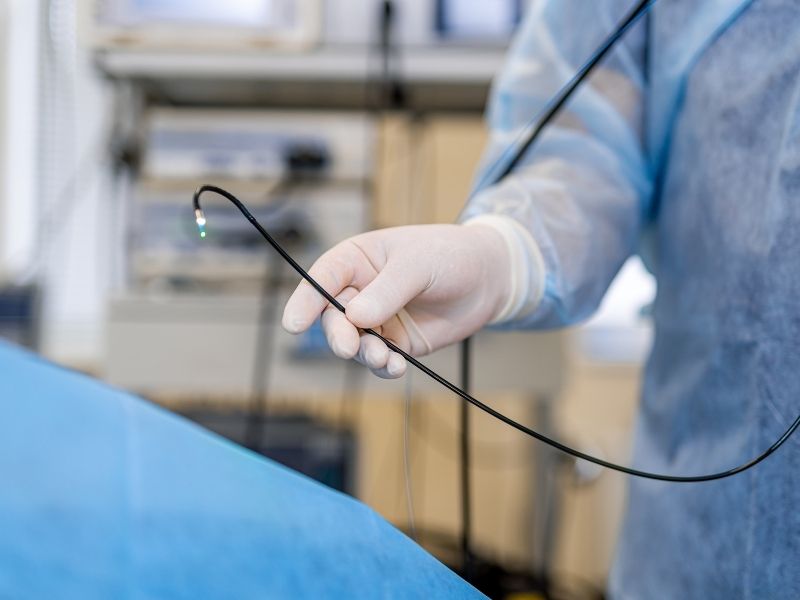
During endoscopy, the upper digestive system is evaluated by advancing a thin and flexible device through the mouth. The esophagus, stomach and duodenum can be examined with this procedure. If necessary, a biopsy may be taken or some minor interventions may be performed. The use of sedation can make the process more tolerable, especially for patients who are hesitant about the procedure.
Who Is Sedated Endoscopy Suitable For?
Endoscopy under sedation may be considered especially for patients who have fear of the procedure, have a strong gag reflex, have had difficulty during a previous endoscopy or want to go through the procedure more comfortably. However, sedation is not applied automatically for every patient. Before the procedure, the person’s health condition, medications and risk factors should be reviewed.
Patients with heart, lung, blood pressure, diabetes, sleep apnea, allergy history or regular medication use should share this information with the doctor before the procedure. The procedure plan should also be made more carefully in patients using blood thinners. The aim is not only to provide a comfortable procedure, but also to ensure that the procedure is completed safely.
For Which Complaints May Endoscopy Be Necessary?
A significant number of patients searching for Endoscopy Ankara want to learn the cause of their stomach complaints. Endoscopy may help diagnosis, especially in long-lasting or recurrent upper digestive system complaints. Endoscopy is not required for every stomach pain; however, some symptoms increase the need for evaluation.
Gastroenterology evaluation is important in cases of persistent stomach pain, stomach burning, reflux, bitter fluid coming into the mouth, difficulty swallowing, a feeling of food getting stuck while eating, frequent nausea, early satiety, unexplained weight loss, anemia or dark color change in the stool. The cause of these findings may be a simple stomach problem, or they may be associated with different digestive system diseases that require treatment.
Therefore, if complaints have become persistent, affect daily life or recur despite the medications used, consulting a doctor for the necessity of endoscopy is the right step.
How Is Sedated Endoscopy Performed?
The patient should fast for a certain period before the procedure. The fasting period is specified by the doctor according to the procedure time and the patient’s health condition. In patients using regular medication, which medications will be taken or postponed should also be planned separately.
On the day of the procedure, the patient is prepared appropriately and an intravenous line may be placed. After sedation is given, endoscopy is completed without the patient feeling significant discomfort during the procedure. The doctor evaluates the esophagus, stomach and duodenum with the endoscopy device. If necessary, a biopsy may be taken. Taking a biopsy usually does not cause the patient to feel additional pain during the procedure.
After the procedure is completed, the patient is monitored in the resting area for a while. After the effect of sedation wears off, the patient can return home on the same day if the doctor considers it appropriate. However, driving after sedation is not recommended; therefore, it is appropriate for the patient to have a companion.
Does Sedated Endoscopy Hurt?
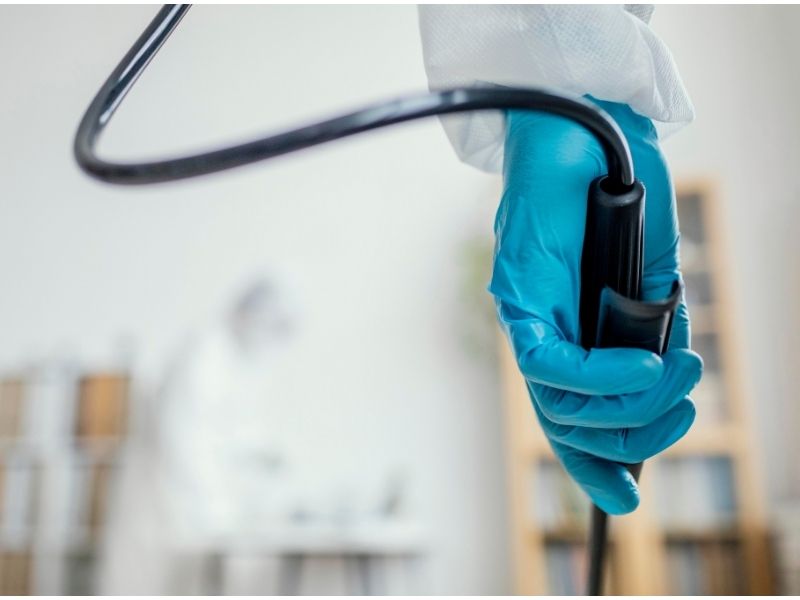
Does sedated endoscopy hurt is one of the most common questions asked by patients who are hesitant about the procedure. In endoscopy performed with sedation, the patient is not expected to feel intense pain or discomfort during the procedure. The gag reflex and procedure anxiety may also be felt less thanks to sedation.
After the procedure, mild throat sensitivity, gas sensation, bloating or short-term fatigue may occur. These effects are usually temporary. If a biopsy was taken during the procedure or an additional intervention was performed, the doctor will also explain what should be considered after the procedure.
A significant number of patients experience complaints for a long time because they postpone endoscopy. However, in suitable patients, sedation support can reduce fear of the procedure and prevent delay in the diagnosis process.
What Should Be Considered Before Sedated Endoscopy?
Preparation before endoscopy is important for the procedure to be performed safely and properly. It is necessary to fast for a certain period before the procedure. The doctor’s instructions regarding food, water, medication use and smoking should be followed.
Blood thinners, diabetes medications, blood pressure medications, heart medications or other regularly used treatments must be reported before the procedure. In addition, if there has been a previous problem related to anesthesia or sedation, this information should be shared.
Pre-endoscopy evaluation is important not only for procedure preparation, but also to determine whether endoscopy is really necessary. In some patients, examination and blood tests may be required first. In some patients, endoscopy may be planned according to the nature of the complaints.
What Is the Process Like After Sedated Endoscopy?
After endoscopy, the patient is rested for a short time and the effect of sedation is expected to decrease. After the procedure, there may be mild burning or sensitivity in the throat. Gas and bloating may also be seen for a short time. After the doctor considers it appropriate, nutrition can be started with light foods.
Since sedation is applied, driving on the same day, doing tasks that require attention or staying alone may not be recommended. It is safer for the patient to have a companion. If a biopsy is taken during the procedure, the results are evaluated later and the treatment plan is created accordingly.
After endoscopy, a doctor should be consulted without delay in cases such as severe abdominal pain, bloody vomiting, high fever, shortness of breath or gradually increasing difficulty swallowing.
When Should You Apply for Sedated Endoscopy in Ankara?
For patients searching for Ankara sedated endoscopy, the main point is that the procedure should be planned for the right reason as well as being performed comfortably. If there are complaints such as persistent stomach burning, reflux, indigestion, difficulty swallowing, stomach pain, anemia or recurrent complaints despite medication, gastroenterology evaluation should not be delayed.
In Dr. Meral Sözen’s gastroenterology evaluations in Ankara, the patient’s complaints, medical history, medications used and procedure anxiety are considered together to determine the necessity of endoscopy. In suitable patients, endoscopy can be planned with sedation support, making the procedure more comfortable. Thus, the patient receives clearer information about the cause of their complaints and is guided correctly through the treatment process.
Frequently Asked Questions About Sedated Endoscopy
How long does sedated endoscopy take?
The endoscopy procedure is usually completed in a short time; however, more time should be allocated for preparation, sedation and post-procedure rest. The exact duration may vary depending on the patient’s condition.
Are you completely asleep during sedated endoscopy?
The level of sedation is determined according to the patient and the procedure plan. The aim is to ensure that the patient goes through the procedure comfortably.
Can you go home immediately after sedated endoscopy?
After the procedure, the patient rests for a while. When the effect of sedation decreases and the doctor considers it appropriate, the patient can return home on the same day.
Is a companion required for sedated endoscopy?
Since sedation is applied, it is recommended that the patient has a companion. Driving after the procedure is not appropriate.
Can a biopsy be taken during sedated endoscopy?
If necessary, a biopsy may be taken during the procedure. Biopsy helps provide a more detailed evaluation of certain findings in the stomach or esophagus.